
By Bhawna Thakur · Reviewed by Arshi Chadha, Founder
Solar Panel Financing and Low-Interest EMI Plans
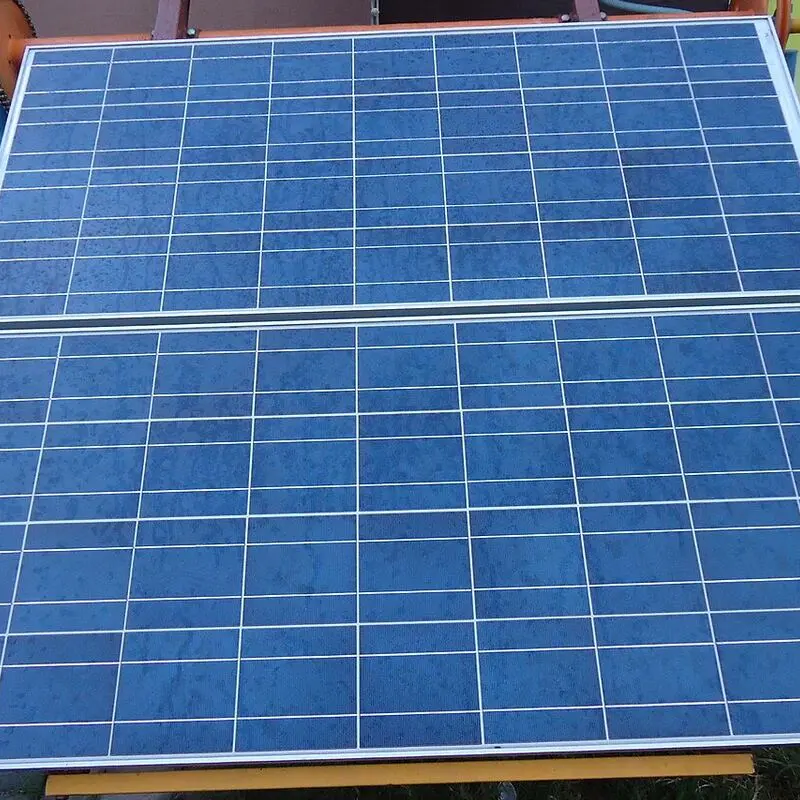
High electricity bills in India are no longer just a seasonal grievance; with rising temperatures and increasing tariffs, they are a year-round financial burden. In states like Delhi, Haryana, and Uttar Pradesh, residential electricity rates can touch ₹8 per unit in the highest slabs. While the PM Surya Ghar Muft Bijli Yojana has made solar more affordable than ever, the upfront cost remains a hurdle for many.
This is where taking a solar panel on emi changes the game. Imagine replacing a ₹6,000 monthly electricity bill with a ₹5,800 monthly EMI. Essentially, you are redirecting your "bill money" toward owning a power plant that will last 25–30 years. At Bridgeway Power, we have seen over 5,000+ families transition to solar, and more than 60% of them now choose financing to preserve their savings.
The Math of Solar: EMI vs. Electricity Savings
The most significant advantage of a solar system on emi is the concept of "Bill-to-EMI" parity. In most cases, the money you save on your electricity bill is equal to, or even greater than, the monthly loan repayment.
In Delhi, the Delhi Solar Policy 2024 provides a Generation-Based Incentive (GBI) of up to ₹3/unit. When you combine bill savings, the GBI, and the central subsidy, the return on investment is unmatched.
Monthly EMI Estimates (2025-2026)
Below are the estimated monthly EMI figures for common residential system sizes in India. These calculations assume a standard interest rate of 8-9% and a tenure of 5 years.
| System Size | Total Cost (Incl. GST) | Central Subsidy | Net Cost to Finance | Estimated Monthly EMI (5 Yrs) | Avg. Monthly Savings |
|---|---|---|---|---|---|
| 3 kW | ₹2,40,000 | ₹78,000 | ₹1,62,000 | ₹3,300 | ₹3,500 - ₹4,000 |
| 5 kW | ₹3,43,035 | ₹78,000 | ₹2,65,035 | ₹5,400 | ₹6,000 - ₹7,000 |
| 10 kW | ₹6,29,442 | ₹78,000 | ₹5,51,442 | ₹11,200 | ₹12,000 - ₹14,000 |
Note: Net costs may vary based on state-specific subsidies like the UP State Solar Subsidy which adds ₹30,000 in benefits.
Comparing Tenure Options: 3 to 7 Years
When opting for a solar panel on emi, choosing the right tenure is critical for your cash flow.
- 3-Year Tenure: Ideal for those who want to be debt-free quickly. The EMI will be higher than your current electricity bill, but you achieve a "break-even" point much faster.
- 5-Year Tenure: The "Sweet Spot." This is the most popular choice for residents in Solar in Noida and Solar in Delhi. Usually, the EMI perfectly matches the electricity bill savings.
- 7-10 Year Tenure: Available through Public Sector Banks (PSBs) like the pnb digi surya ghar loan. This offers the lowest possible EMI, often much lower than your monthly bill, ensuring you are "cash-flow positive" from month one.
Use our Solar Calculator to simulate different tenure and interest rate scenarios to see what fits your monthly budget.
ECOFY, Aerem, and PSB Financing: Your Options Explained
Bridgeway Power partners with India's leading green financiers to provide a seamless experience.
ECOFY Solar Loan
ECOFY is a specialized NBFC focused entirely on green transition. The ecofy solar loan is known for its digital-first approach. You can get an "In-Principle" approval in minutes using their ecofy emi calculator. They offer competitive rates and understand the specific nuances of solar depreciation and performance.
Aerem Solar Finance
Aerem provides technology-linked financing. They often include system monitoring in their platform, ensuring that the asset being financed is performing optimally. This is a great choice for high-intent buyers who value data and transparency.
Public Sector Banks (PNB & SBI)
Under the PM Surya Ghar Yojana, banks like SBI and PNB have launched dedicated schemes. The pnb digi surya ghar loan offers some of the lowest interest rates in the market, often capped at Repo Rate + 0.5% for systems up to 3kW.
Eligibility Criteria for Delhi NCR Residents
If you are looking for solar financing in Gurgaon or Ghaziabad, the eligibility criteria are generally straightforward:
- Property Ownership: The roof must be owned by the applicant (or a close family member).
- CIBIL Score: A score of 700+ is generally required for the best interest rates.
- Stable Income: Salaried individuals or business owners with 2+ years of ITR.
- Sanctioned Load: Your solar system size should ideally not exceed your sanctioned load (e.g., if you have an 8kW connection, you can easily finance an 8kW system).
Talk to a solar engineer — not a salesperson
Enter your pincode and monthly bill. If we install in your area, an engineer answers on WhatsApp with your numbers.
See your EMI for a real bill
Solar Depreciation & Tax Benefit Calculator
Based on Section 32 — 40% WDV + 20% additional depreciation (Year 1)
Collateral-Free Loans vs. Personal Loans

Many homeowners ask: "Why shouldn't I just take a personal loan?"
The difference is significant. A solar panel on emi through a "Green Loan" is an asset-backed loan without requiring you to pledge your house or gold.
- Interest Rates: Personal loans range from 11% to 18%. Solar loans range from 8% to 10.5%.
- Collateral: Most solar loans up to ₹6 Lakh are collateral-free. The solar panels themselves act as the security.
- Processing Fees: Banks often waive processing fees for PM Surya Ghar applicants to encourage renewable energy adoption.
Real Example: A 5kW System in Rohini
A homeowner in Rohini was paying an average of ₹7,500 per month to TP-DDL. They installed a 5kW TOPCon Mono PERC system with Bridgeway Power.
- Total Investment: ₹3.43 Lakh
- Central Subsidy: ₹78,000
- Loan Amount: ₹2.65 Lakh
- Tenure: 5 Years
- Monthly EMI: ₹5,400
- New Electricity Bill: ₹500 (Fixed charges + minor usage)
- Total Monthly Outgo: ₹5,900 (EMI + Bill)
Before solar, they spent ₹7,500. After solar, they spent ₹5,900. They were saving ₹1,600 every month while paying off their loan. After 5 years, their electricity becomes virtually free for the next two decades.
Why Bridgeway Power for Your Financed Solar?
With 35+ years of electrical lineage, Bridgeway Power doesn't just install panels; we manage the entire financing and subsidy documentation for you. We understand that the paperwork for the National Portal can be daunting. Our team ensures your net metering and subsidy claims are filed accurately so that your loan remains healthy and your savings maximize.
Get a free quote today to see which EMI plan fits your roof.
FAQ
Can I get a solar loan without a down payment?
Yes, some NBFCs and private banks offer up to 100% financing on the net cost of the solar system (total cost minus the subsidy amount). However, a small down payment of 10-20% is standard to get the lowest interest rates.
What documents are required for a solar panel on emi?
Typically, you need your Aadhaar card, PAN card, last 6 months' bank statement, latest electricity bill, and proof of roof ownership (like a property tax receipt or conveyance deed).
Is the subsidy deducted from the EMI?
No, the central subsidy is usually credited directly to the customer's bank account within 30-45 days of installation. Most homeowners use this lump sum to partially prepay the loan or keep it as a liquidity buffer.
What happens to the loan if I sell my house?
Solar panels increase property value. If you sell the house, you can either pay off the loan balance from the sale proceeds or, in some cases, transfer the loan to the new owner, provided the bank approves their credit profile.
Does the EMI change if my solar production drops?
No, the EMI is fixed based on the loan agreement. However, to ensure your savings always cover your EMI, we recommend a Solar AMC to keep your panels clean and performing at peak efficiency.
Conclusion
Installing a solar system on emi is the most financially prudent way to go green in 2026. By leveraging low-interest rates from partners like ECOFY, SBI, and PNB, you can transition to clean energy without touching your capital. At Bridgeway Power, we make the "Solar on EMI" process as simple as buying a smartphone.
Ready to switch? Get a free quote and let us design a system that pays for itself.
Every 1 kW of solar on your roof offsets 1.5 tonnes of CO₂ per year
That's 40 trees planted — every year, for 25 years.
A typical 5 kW home system offsets 187 tonnes of carbon over its lifetime. That's equivalent to taking 8 cars off the road.
See your impact →How much can you save with solar?
Enter your electricity bill → get system size, subsidy amount & payback period
Get StartedSee your EMI for a real bill
Related Articles
What Is Captive Open Access Solar (100% Equity Model)
Learn how Captive Open Access Solar (100% Equity Model) helps Indian businesses cut electricity costs by 40% using off-site solar plants. Guide on rules, savings & ROI.
Read moreHow Rooftop Solar Can Eliminate Your Electricity Bill
Discover how Net Metering and PM Surya Ghar subsidies can reduce your monthly electricity bill to near-zero. Learn about system sizing, costs, and real-world savings.
Read moreSolar Subsidy in Uttar Pradesh 2026: ₹1,08,000 for Noida, Ghaziabad & Greater Noida
UP's stacked solar subsidy 2026: ₹78,000 central + ₹30,000 UPNEDA state top-up = ₹1.08L. Real PVVNL net-cost math for Noida, Greater Noida, Ghaziabad & Meerut.
Read moreRelated guides
Delhi Electricity Rate 2026
BSES & Tata Power per-unit rates, PPAC, subsidy — sourced from DERC.
ExploreDelhi Solar Policy 2026
Free rooftop solar up to 3 kW for homes under 400 units. Eligibility & apply.
ExploreSolar Panel Price in Delhi
Live 2026 rooftop prices in Delhi after ₹1.56L subsidy. 1,200+ installs.
ExploreSolar Company in Gurgaon
Gurgaon's rooftop solar installer — 800+ systems, ₹78K PM Surya Ghar subsidy.
ExploreSolar Company in Noida
Noida & Greater Noida rooftop solar — 500+ installs, ₹1.08L stacked subsidy.
ExploreSolar Panel Price in Faridabad
Live 2026 Faridabad prices after ₹78K PM Surya Ghar subsidy. 350+ homes.
Explore