
By Sandeep Maurya · Reviewed by Arshi Chadha, Founder
Do Solar Batteries Explode? Safety Facts vs Fear for Indian Homes
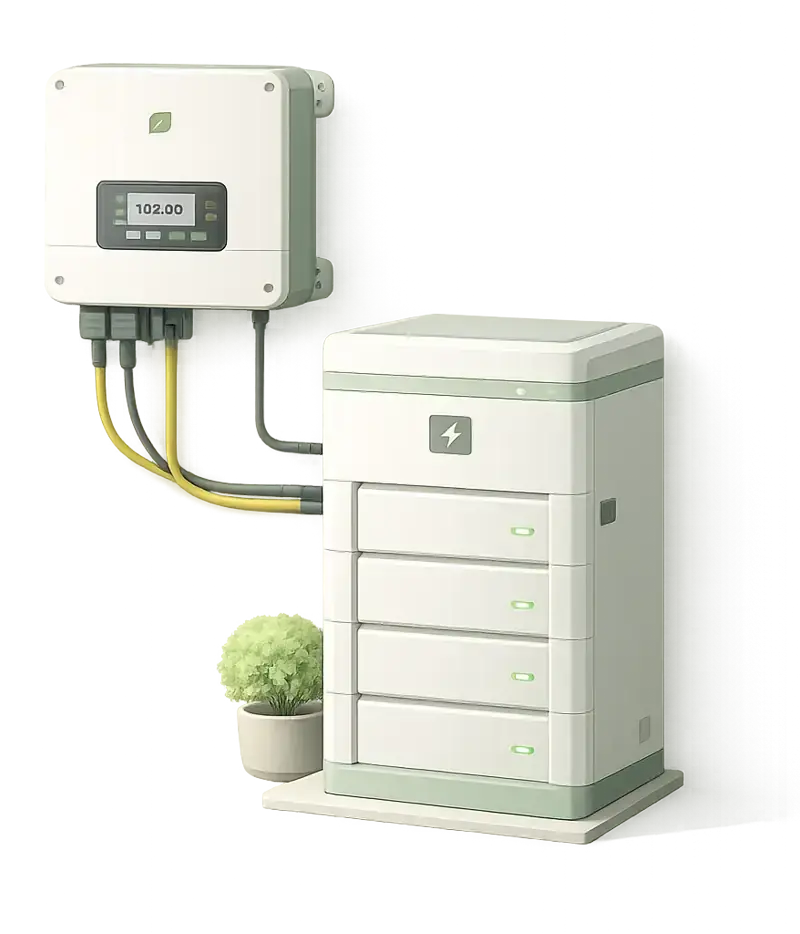
- •Primary Safety Fact: Modern Lithium Iron Phosphate (LFP) solar batteries have a failure rate of <0.001%.
- •Risk Comparison: LFP batteries are statistically safer than domestic gas geysers or traditional lead-acid batteries.
- •Core Technology: Built-in Battery Management Systems (BMS) prevent overheating, overcharging, and short circuits.
- •Expert Recommendation: Always choose BIS-certified Lithium LFP for Indian weather conditions.
If you are a homeowner in Delhi, Noida, or Gurgaon, you’ve likely seen the headlines: an electric scooter catches fire in a parking lot, or a smartphone explodes in someone’s pocket. It is natural to ask: Do solar batteries explode? When you are considering installing a high-capacity energy storage system in your home, safety isn't just a "feature"—it is the only thing that matters.
With the rise of the PM Surya Ghar Yojana and the increasing frequency of power cuts in the NCR region, more families are looking at home solar battery systems in India. But the fear of having a "giant firecracker" attached to your wall is a real barrier.
The short answer? Modern solar batteries, specifically Lithium Iron Phosphate (LFP), are extremely safe. In fact, they are fundamentally different from the batteries in your phone or EV. This guide will dismantle the myths, compare the chemistry, and explain why your solar battery is likely the safest appliance in your home.
Understanding the "Explosion" Myth: Why Solar Batteries Are Different
When people search for "do solar batteries explode," they are usually thinking of Lithium-Ion Cobalt (LiCoO2) batteries. These are found in laptops and smartphones because they are light and energy-dense. However, they are prone to "thermal runaway"—a process where an internal short circuit causes the battery to heat up uncontrollably, eventually catching fire.
Solar batteries for Indian homes use Lithium Iron Phosphate (LFP). LFP chemistry is the gold standard for stationary storage. It is heavier and bulkier than the battery in your phone, but it is chemically stable. Even if you were to puncture an LFP cell with a nail, it generally wouldn't explode. It is designed to handle the high ambient temperatures of an Indian summer without breaking a sweat.
The Science of Safety: LFP vs. The Rest
The primary reason solar battery safety in India is so high today is the transition to LFP. In LFP batteries, the oxygen atoms are tightly bonded to the phosphorus and iron. This bond is much harder to break than the cobalt-oxygen bond found in other lithium batteries. Because the bonds don't break easily, the battery doesn't release oxygen even when overcharged or overheated. Without oxygen being released internally, a fire simply cannot sustain itself.
Battery Safety Comparison: Lead-Acid vs. Lithium LFP
For decades, Indian homes relied on bulky lead-acid tall tubular batteries. Ironically, many people who fear "lithium battery fire risk at home" have been living with a much more dangerous lead-acid system for years without realizing the risks.
Table 1: Safety Comparison of Residential Battery Technologies
| Feature | Lead-Acid (Traditional Inverter) | Lithium LFP (Modern Solar) |
|---|---|---|
| Primary Safety Risk | Acid leaks, Hydrogen gas emission | Extremely low thermal runaway risk |
| Explosion Hazard | High (if hydrogen builds up in unventilated rooms) | Virtually zero under normal use |
| Toxic Fumes | Sulfuric acid fumes (corrosive) | None (completely sealed) |
| Ventilation Required | High (must be in open/airy areas) | None (can be installed in closets/garages) |
| Form Factor | Floor-standing, heavy, prone to mess | Wall-mountable, sleek, clean |
| Maintenance | Periodic distilled water topping | Zero maintenance |
As shown, the solar battery explosion risk is significantly lower with modern LFP technology compared to the hydrogen gas hazards of old-school inverters. Lead-acid batteries require constant "topping up" with water, exposing users to sulfuric acid. If a lead-acid battery is overcharged in a small, unventilated room, the hydrogen gas buildup can lead to a violent explosion from a single spark.
Why 2026 Tech is Safer: The Role of the BMS
A solar battery isn't just a tank of chemicals; it has a "brain" called the Battery Management System (BMS). This is the single most important component for solar battery safety in India.
The BMS acts as a 24/7 security guard, monitoring:
- Voltage: Ensures no cell is overcharged or over-discharged.
- Current: Limits the flow of electricity to prevent overheating.
- Temperature: If the battery gets too hot (from the sun or high usage), the BMS automatically shuts the system down.
- Cell Balancing: Ensures all internal cells age at the same rate, preventing "weak links" that could cause a short circuit.
At Bridgeway Power, our systems utilize Tier-1 LFP cells with advanced BMS protocols. We’ve seen that even in the 48°C heat of a Gurgaon June, a well-ventilated LFP system stays well within its safe operating temperature range.
Incident Statistics: Is Your Solar Battery More Dangerous Than Your Kitchen?
To answer "is solar battery safe India," we have to look at the data. Fear often comes from a lack of context. When we compare the failure rates of high-quality lithium LFP batteries to other common household items, the results are surprising.
Table 2: Household Safety Incident Statistics (Per 100,000 Units)
| Product/Appliance | Estimated Annual Failure/Incident Rate | Risk Level |
|---|---|---|
| Lithium LFP Solar Battery | < 0.001% (1 in 100,000) | Negligible |
| Domestic Gas Geyser | ~0.02% (20 in 100,000) | Moderate (due to CO/Gas leaks) |
| LPG Kitchen Cylinder | ~0.008% (8 in 100,000) | Low |
| Lead-Acid Inverters | ~0.05% (50 in 100,000 - mostly leaks/burns) | Low/Moderate |
Source: Compiled from international safety data and Indian domestic appliances reports.
The data shows that you are statistically more likely to face an incident with your bathroom geyser or your kitchen stove than with your rooftop solar battery.
Safety Certifications: What to Look For
Not all batteries are created equal. To minimize any solar battery explosion risk, you must ensure your installer provides products with the following certifications.
Talk to a solar engineer — not a salesperson
Check whether we install in your area, then get your answer on WhatsApp. No forms, no call centre.
What would solar save on YOUR bill?
Table 3: Mandatory Safety Certifications for India
| Certification | What It Ensures | Why It Matters for You |
|---|---|---|
| BIS (Bureau of Indian Standards) | Mandatory for sale in India. Ensures basic electrical safety and quality. | Illegal/Unsafe imports often lack this. |
| IEC 62619 | Testing for secondary lithium cells for industrial/stationary use. | Specifically tests for "thermal runaway" resistance. |
| UL 9540 | International standard for energy storage systems (ESS). | The most rigorous "system-level" safety check. |
| UN 38.3 | Safety during transport and vibration. | Ensures the battery doesn't get damaged internally while being moved. |
When evaluating a solar panel price in Delhi, always ask if the battery system is BIS certified. This is non-negotiable for safety.
Real-Life Example: 10kW System in a Gurgaon Bungalow
Consider a client in Sushant Lok, Gurgaon who recently installed a 10kW hybrid system. They were hesitant because they had small children at home.
We installed a 15kWh Lithium LFP battery bank. During a routine maintenance check in peak summer, the external temperature was 46°C. The internal BMS reading of the battery was a stable 38°C. This is because we used an IP65-rated cabinet designed for heat dissipation and placed it in a shaded, ventilated area.
By choosing the right location and high-quality equipment, the homeowner effectively reduced their risk to nearly zero. You can see similar setups in our Enphase IQ8 Case Study.
The Real Risks: Poor Installation vs. Chemistry
If a solar battery does fail, 99% of the time it is not because the battery was "bad"—it is because the installation was poor. Common "human errors" that create safety risks include:
- Undersized Wiring: Using thin wires for high current causes the wires to melt.
- Poor Connections: Loose terminals create "arcing," which generates immense heat and can start a fire.
- No DC Protection: Skipping DC breakers or surge protection devices (SPDs) leaves the battery vulnerable to lightning or grid surges.
- Incorrect Placement: Installing a battery directly under the afternoon sun or in a sealed room with no airflow.
This is why working with an experienced EPC like Bridgeway Power—with 35+ years of experience—is vital. We don't just "plug and play"; we design for safety.
Hybrid Systems and State Incentives
In regions like Delhi, the government heavily encourages solar through the Solar Subsidy in Delhi 2026. While the subsidy primarily covers the panels via net metering, many residents opt for "hybrid" systems that include batteries to deal with the PPAC surcharges and occasional grid instability.
By combining the savings from Net Metering in Delhi with the peace of mind of a safe battery backup, you create a system that is both financially and physically secure.
Frequently Asked Questions
Do solar batteries explode if they get too hot in the Indian summer?
No, modern Lithium LFP batteries are designed to operate safely up to 55-60°C. If the temperature exceeds safe limits, the built-in Battery Management System (BMS) automatically disconnects the battery until it cools down.
Is it safe to install a solar battery inside my house?
Yes, unlike lead-acid batteries that release toxic fumes and hydrogen gas, Lithium LFP batteries are sealed and emit nothing. They can safely be installed in a garage, a utility room, or even under a staircase.
Can a lightning strike make my solar battery explode?
A direct lightning strike is dangerous for any electrical appliance. However, a professional solar installation includes lightning arrestors and Surge Protection Devices (SPDs) that divert the high voltage into the ground, protecting the battery bank.
How long do these batteries last before they become unstable?
Solar lithium batteries typically have a lifespan of 10-15 years. Unlike lead-acid batteries, they do not become "dangerous" as they age; they simply hold less charge (reduced capacity).
Do I need to maintain my solar battery to keep it safe?
Lithium batteries are "zero maintenance." You don't need to add water or clean terminals. The only safety requirement is to keep the area around the battery clear of flammable materials and ensure the cooling vents are not blocked.
Conclusion: Fact Over Fear
So, do solar batteries explode? While any energy storage device carries a theoretical risk, the reality of modern Lithium LFP technology is one of extreme safety. The transition from volatile cobalt chemistries to stable phosphate chemistries, coupled with smart BMS "brains," has made solar batteries safer than many standard household appliances.
The key to safety is not just the battery itself, but the team that installs it. At Bridgeway Power, we ensure every installation meets national and international safety standards, from BIS compliance to proper thermal management.
Ready to secure your home’s energy future without the fear? Contact Bridgeway Power for a free site audit and safety consultation. Let us design a system that keeps your lights on and your family safe.
For more information on solar costs and technology, explore our guide on Solar Panel Price in Delhi 2026 or learn about Lithium-ion vs Lead-acid batteries.
Every 1 kW of solar on your roof offsets 1.5 tonnes of CO₂ per year
That's 40 trees planted — every year, for 25 years.
A typical 5 kW home system offsets 187 tonnes of carbon over its lifetime. That's equivalent to taking 8 cars off the road.
See your impact →How much can you save with solar?
Enter your electricity bill → get system size, subsidy amount & payback period
Get StartedLiked this article? Get a free solar quote
Tell us about your rooftop — we'll call with exact savings for your home.
Related Articles
Net Metering in India: How to Sell Solar Power Back to the Grid
Learn how net metering in India allows you to sell solar power back to the grid. Discover state policies, savings examples, and how to reduce your bill by 90%.
Read moreWhat Is Captive Open Access Solar (100% Equity Model)
Learn how Captive Open Access Solar (100% Equity Model) helps Indian businesses cut electricity costs by 40% using off-site solar plants. Guide on rules, savings & ROI.
Read moreSolar Installation Cost in Delhi NCR 2026: 3 kW at ₹1.32L net
Updated 2026 guide to solar costs in Delhi NCR. Learn about PM Surya Ghar subsidies, system pricing from 1kW-10kW, and how to reach zero electricity bills.
Read moreRelated guides
Delhi Electricity Rate 2026
BSES & Tata Power per-unit rates, PPAC, subsidy — sourced from DERC.
ExploreDelhi Solar Policy 2026
Free rooftop solar up to 3 kW for homes under 400 units. Eligibility & apply.
ExploreSolar Panel Price in Delhi
Live 2026 rooftop prices in Delhi after ₹1.56L subsidy. 1,200+ installs.
ExploreSolar Company in Gurgaon
Gurgaon's rooftop solar installer — 800+ systems, ₹78K PM Surya Ghar subsidy.
ExploreSolar Company in Noida
Noida & Greater Noida rooftop solar — 500+ installs, ₹1.08L stacked subsidy.
ExploreSolar Panel Price in Faridabad
Live 2026 Faridabad prices after ₹78K PM Surya Ghar subsidy. 350+ homes.
Explore