
By Kajal Rajpoot · Reviewed by Arshi Chadha, Founder
PM KUSUM Yojana 2026: Solar Pump Subsidy for Farmers (Up to 90% Off, How to Apply)
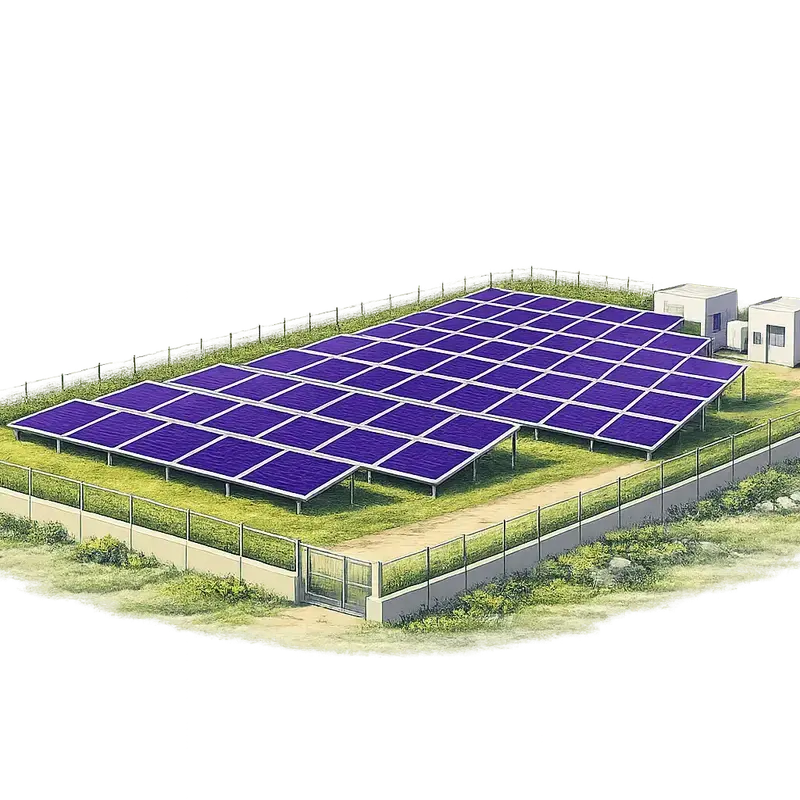
- •Total Subsidy (Component B/C pumps): Up to 60% for general states (30% central + 30% state) and up to 80% for NE/hilly states / UTs (50% central + 30% state). Component A grid-connected plants have no capex subsidy — revenue comes via a state-regulator PPA. Verified against pmkusum.mnre.gov.in on 2026-06-29.
- •Farmer Contribution: 40% of the pump system cost in general states, 20% in NE/hilly states. (The often-quoted "10% contribution" applies only where a state has notified a specific additional top-up over the 60% MNRE structure — cite the state order before quoting it.)
- •Components: Three distinct models (A, B, and C) for land leasing and pumps
- •Income Potential: ₹60,000 to ₹1,00,000 per acre per year (Component A)
- •Operational Life: 25 years with minimal maintenance
The Indian agricultural landscape is undergoing a silent, golden revolution. Across fields in Rajasthan, Maharashtra, and Haryana, the rhythmic thrum of diesel engines is being replaced by the silent, efficient power of the sun. The Pradhan Mantri Kisan Urja Suraksha evam Utthaan Mahabhiyan (PM KUSUM) Yojana has emerged as one of the world’s largest initiatives to provide clean energy to more than 3.5 million farmers.
As we look toward 2026, the PM KUSUM Yojana solar pump scheme has been streamlined and digitized to ensure that the benefits reach small and marginal farmers faster than ever. For a farmer in India, irrigation is often the highest recurring cost. Rising diesel prices and erratic electricity supply during night shifts make farming a struggle. PM KUSUM changes this narrative by turning "Annadata" (food provider) into "Urjadata" (energy provider).
In this comprehensive guide, we explore how you can leverage Bridgeway Power’s 35 years of engineering excellence to navigate the KUSUM scheme and secure your energy independence.
1. What is PM KUSUM Yojana? Understanding the Three Components
The PM KUSUM scheme is not a one-size-fits-all program. It is divided into three strategic components designed to address different agricultural needs, from land utilization to irrigation efficiency.
Component A: Setting up Solar Power Plants
This component targets farmers, cooperatives, and panchayats who have unproductive or fallow land. You can set up solar power plants with a capacity between 500 kW and 2 MW. The electricity generated is sold to the local DISCOM (Distribution Company) at a pre-fixed tariff.
Component B: Standalone Solar Pumps
This is the most popular part of the PM KUSUM Yojana solar pump program. It is designed for areas where the electric grid has not reached or where diesel pumps are the primary source of irrigation. The government provides massive subsidies to replace diesel pumps with standalone solar-powered pumps.
Component C: Solarisation of Grid-Connected Pumps
If you already have an electric pump connection, Component C allows you to solarise it. You can use solar power to run the pump and sell the excess electricity back to the grid. This ensures that the pump runs for free during the day, and you earn an additional income from the surplus power.
Comparison of PM KUSUM Components
| Feature | Component A | Component B | Component C |
|---|---|---|---|
| Primary Goal | Power Generation & Income | Irrigation in Off-grid areas | Solarising existing pumps |
| Capacity | 500 kW to 2 MW | Up to 7.5 HP (Subsidized) | Up to 2 times pump capacity |
| Target User | Farmers/Groups with land | Individual Farmers | Farmers with grid connection |
| Income Source | Selling all power to DISCOM | Saving Diesel costs | Selling excess power to DISCOM |
2. The Economics of PM KUSUM: How the 60% Subsidy Works (general states) / 80% (NE + hilly)
The biggest draw of the PM KUSUM Yojana solar pump scheme is the financial structure. The Ministry of New and Renewable Energy (MNRE) has designed a subsidy model that ensures even small-scale farmers can afford high-quality solar technology.
For Component B (Standalone Pumps), the cost-sharing model is incredibly farmer-friendly. In most states, the breakdown is as follows:
Subsidy Breakdown for Component B (Standalone Solar Pumps)
| Source of Funding | Percentage Contribution | Responsibility |
|---|---|---|
| Central Government Subsidy | 30% | Provided by MNRE |
| State Government Subsidy | 30% | Provided by State Renewable Agency |
| Bank Loan (Optional) | 30% | Easy EMI options available |
| Farmer's Contribution | 10% | Upfront payment by the farmer |
Note: In North-Eastern states, Sikkim, J&K, Himachal Pradesh, and Uttarakhand, the Central Subsidy can go up to 50%.
Why this matters: A standard 5HP solar pump system might cost around ₹2.5 Lakh to ₹3 Lakh. Under this scheme, the farmer only needs to pay approximately ₹25,000 to ₹30,000 out of pocket. To calculate your specific requirements and potential savings, we recommend using our solar calculator to see how solar compares to your current energy costs.
3. Component A: Turning Barren Land into a "Solar Crop"
Many Indian farmers own land that is not suitable for cultivation due to soil quality or water scarcity. Component A of the PM KUSUM scheme allows these farmers to lease their land to developers or set up their own small solar plants.
Key Benefits of Component A:
- Steady Lease Income: If you lease your land to a developer, you can earn between ₹60,000 and ₹1,00,000 per acre per year, with a standard 5% annual increase.
- No Operational Risk: The developer handles the installation, maintenance, and power sale.
- Dual Land Use: In many cases, "Agri-PV" setups allow for the cultivation of shade-loving crops beneath the solar panels, maximizing land productivity.
4. State-wise Implementation and Progress (2025-2026)
While PM KUSUM is a central scheme, its implementation is handled by State Nodal Agencies (SNAs). Different states have different progress rates based on their local agricultural policies and sunlight availability.
State-wise KUSUM Progress and Allocation
| State | Status | Key Focus |
|---|---|---|
| Rajasthan | Leader | Highest allocation for Component A & B |
| Maharashtra | High | Massive solarisation of feeders under Component C |
| Haryana | Active | Fast-track approvals for Component B pumps |
| Madhya Pradesh | Growing | Focus on "Kusum C" for grid-connected farmers |
| Gujarat | Advanced | Integration with SKY (Suryashakti Kisan Yojana) |
| Uttar Pradesh | Emerging | Aggressive targets for 2026 solar pump distribution |
For farmers in these regions, the application process is now largely digital. You must register through the official state portal (e.g., BRREDA for Bihar, MEDA for Maharashtra, or HAREDA for Haryana).
5. Modern Features of Solar Pumps in 2026
The technology being deployed under the PM KUSUM Yojana solar pump scheme has evolved. These aren't just panels and motors; they are smart systems.
- Remote Monitoring Systems (RMS): Every KUSUM pump now comes with an RMS. This allows the government and the farmer to monitor performance, water discharge, and system health via a mobile app.
- Universal Solar Pump Controllers (USPC): For Component C, USPCs allow the farmer to run the pump during the day and use the same inverter to power other appliances like grinders or thrashers when the pump is off.
- High-Efficiency Mono-PERC Panels: 2026 installations primarily use high-efficiency panels that generate more power even in low-light or cloudy conditions.
Talk to a solar engineer — not a salesperson
Enter your pincode and monthly bill. If we install in your area, an engineer answers on WhatsApp with your numbers.
What would solar save on YOUR bill?
6. Real Example: The Transformation of a Farm in Rohtak
Let’s look at a real-life scenario. Ramesh, a farmer in Rohtak, Haryana, owned 4 acres of land where he grew wheat and mustard. He was spending nearly ₹70,000 annually on diesel for his 5HP pump. Between the rising fuel costs and the hassle of transporting diesel, his margins were shrinking.
In 2024, Ramesh applied for a 7.5 HP PM KUSUM Yojana solar pump under Component B.
- Total System Cost: ₹3,20,000
- Farmer Share (40%): ₹1,28,000 (general states) — 20% / ₹64,000 in NE + hilly states
- Govt Subsidy (60%): ₹1,92,000 (30% central + 30% state) — up to 80% / ₹2,56,000 in NE + hilly
The Result: Ramesh recovered his ₹1.28 L investment in roughly 14–18 months by eliminating diesel costs (payback stretches with the higher farmer share under the corrected MNRE structure). His pump now starts automatically at sunrise and provides consistent water throughout the day. With the money saved, he invested in a drip irrigation system, further increasing his yield by 20%.
7. How to Apply: A Step-by-Step Guide
Securing a solar pump requires following a specific protocol to ensure you get the subsidy.
- Check Eligibility: You must be an individual farmer, a group of farmers, a Water User Association, or a Primary Agriculture Credit Society.
- Gather Documents: You will need your Aadhaar card, Bank Passbook, Land records (7/12 extract or Jamabandi), and a mobile number linked to Aadhaar.
- Register Online: Visit your state’s Nodal Agency website. Avoid fake websites; ensure the URL ends in
.gov.in. - Site Survey: After application, a technician will visit your farm to check the water level and shadow-free area for panels.
- Payment: Once approved, pay your 10% share through the official portal.
- Installation: The empanelled vendor (like Bridgeway Power partners) will install the system within 30-60 days.
8. Bridgeway Power’s Role in Your Solar Journey
While PM KUSUM is a government-led initiative, the quality of installation determines the life of the system. At Bridgeway Power, we bring over 35 years of expertise in the Indian power sector.
- Technical Excellence: We ensure that the mounting structures used for your solar pumps can withstand high wind speeds and harsh rural environments.
- Maintenance Support: A solar pump is a 25-year asset. We provide the technical support and Annual Maintenance Contracts (AMC) required to keep your system at peak performance.
- Consultation: Not sure which component fits your land? Our experts provide free consultations to help you navigate the application process.
If you are a commercial farm owner or looking at large-scale solarisation, exploring community solar models might also be beneficial for sharing resources and maximizing returns.
Frequently Asked Questions
What is the maximum capacity of a solar pump under PM KUSUM?
Under the subsidy scheme (Component B), the government generally provides subsidies for pumps up to 7.5 HP. While you can install larger pumps, the subsidy amount is capped at the 7.5 HP rate.
Can I apply for PM KUSUM if I already have an electric connection?
Yes, you should apply under Component C. This allows you to solarise your existing grid-connected pump. You can continue to use the grid when needed and sell excess solar power back to the DISCOM to earn money.
How much land is required for a 1 MW solar plant under Component A?
Typically, a 1 MW solar plant requires about 4 to 5 acres of land. Under Component A, this land should ideally be within 5 kilometers of a 33/11 kV substation to reduce transmission costs.
What is the lifespan of the PM KUSUM solar pump?
The solar panels come with a performance warranty of 25 years. The pump and the controller usually come with a 5-year warranty under the scheme guidelines. With regular cleaning of panels, the system remains highly efficient for decades.
Are there any hidden costs in the PM KUSUM Yojana?
No, the scheme is very transparent. The farmer only pays the 10% contribution. However, it is the farmer's responsibility to ensure the safety of the panels from theft or physical damage (insurance is often recommended).
Which states are currently accepting applications?
Most major agricultural states including Rajasthan, Haryana, Punjab, MP, and Maharashtra have open windows for applications during specific quarters of the year. Check your state's RE agency website for current deadlines.
Conclusion
The PM KUSUM Yojana solar pump scheme is more than just a subsidy; it is a pathway to dignity and financial stability for the Indian farmer. By removing the burden of electricity bills and diesel costs, the government is empowering the heart of India's economy.
The year 2026 is set to see the widest reach of this program yet. Whether you are looking to install a standalone pump or turn your barren land into a source of monthly income through Component A, now is the time to act.
Ready to transition to solar irrigation? Contact Bridgeway Power today for a free site assessment and assistance with the PM KUSUM technical requirements. Let’s power your farm with the sun.
Calculate your Solar Savings now!
 neighborhood at dusk in Delhi NCR](https://jdemxzlvflntfyjnjwyl.supabase.co/storage/v1/render/image/public/site-assets/blog/solar-neighborhood-dusk.png?width=800&quality=75&format=webp)
FAQ
Who is eligible for PM KUSUM Yojana 2026?
Individual farmers, farmer groups, cooperatives, and panchayats owning agricultural land. Component-A (utility-scale, 500 kW–2 MW), Component-B (standalone off-grid pumps, up to 7.5 HP), and Component-C (solarisation of existing grid-connected pumps).
How much subsidy is available for a solar pump?
Component-B: 60% central + state subsidy (30% central + 30% state in most states), 30% farmer contribution which can be bank-financed. A 5 HP solar pump costing ~₹3.3 lakh means farmer pays ~₹1 lakh out of pocket.
How to apply for KUSUM in 2026?
Apply via your state renewable energy agency portal (UPNEDA, HAREDA, RRECL, etc.). Central portal at mnre.gov.in lists all state agencies. Empanelled installers only.
Is KUSUM available in Delhi or NCR?
Component-B (standalone pumps) is not applicable in urban Delhi. Rural Haryana, UP, and Rajasthan NCR districts do qualify — check with HAREDA/UPNEDA/RRECL.
Every 1 kW of solar on your roof offsets 1.5 tonnes of CO₂ per year
That's 40 trees planted — every year, for 25 years.
A typical 5 kW home system offsets 187 tonnes of carbon over its lifetime. That's equivalent to taking 8 cars off the road.
See your impact →How much can you save with solar?
Enter your electricity bill → get system size, subsidy amount & payback period
Get StartedGo solar without owning a rooftop
Community Solar gives commercial & institutional consumers the same savings — zero capex, zero roof needed.
Or get a free solar quote
Tell us about your rooftop — we'll call with exact savings for your home.
Related Articles
What Is Captive Open Access Solar (100% Equity Model)
Learn how Captive Open Access Solar (100% Equity Model) helps Indian businesses cut electricity costs by 40% using off-site solar plants. Guide on rules, savings & ROI.
Read moreHow Rooftop Solar Can Eliminate Your Electricity Bill
Discover how Net Metering and PM Surya Ghar subsidies can reduce your monthly electricity bill to near-zero. Learn about system sizing, costs, and real-world savings.
Read moreSolar Subsidy in Uttar Pradesh 2026: ₹1,08,000 for Noida, Ghaziabad & Greater Noida
UP's stacked solar subsidy 2026: ₹78,000 central + ₹30,000 UPNEDA state top-up = ₹1.08L. Real PVVNL net-cost math for Noida, Greater Noida, Ghaziabad & Meerut.
Read moreRelated guides
Delhi Electricity Rate 2026
BSES & Tata Power per-unit rates, PPAC, subsidy — sourced from DERC.
ExploreDelhi Solar Policy 2026
Free rooftop solar up to 3 kW for homes under 400 units. Eligibility & apply.
ExploreSolar Panel Price in Delhi
Live 2026 rooftop prices in Delhi after ₹1.56L subsidy. 1,200+ installs.
ExploreSolar Company in Gurgaon
Gurgaon's rooftop solar installer — 800+ systems, ₹78K PM Surya Ghar subsidy.
ExploreSolar Company in Noida
Noida & Greater Noida rooftop solar — 500+ installs, ₹1.08L stacked subsidy.
ExploreSolar Panel Price in Faridabad
Live 2026 Faridabad prices after ₹78K PM Surya Ghar subsidy. 350+ homes.
Explore