
By Bhawna Thakur · Reviewed by Arshi Chadha, Founder
Solar Panel Insurance and Maintenance Costs in India
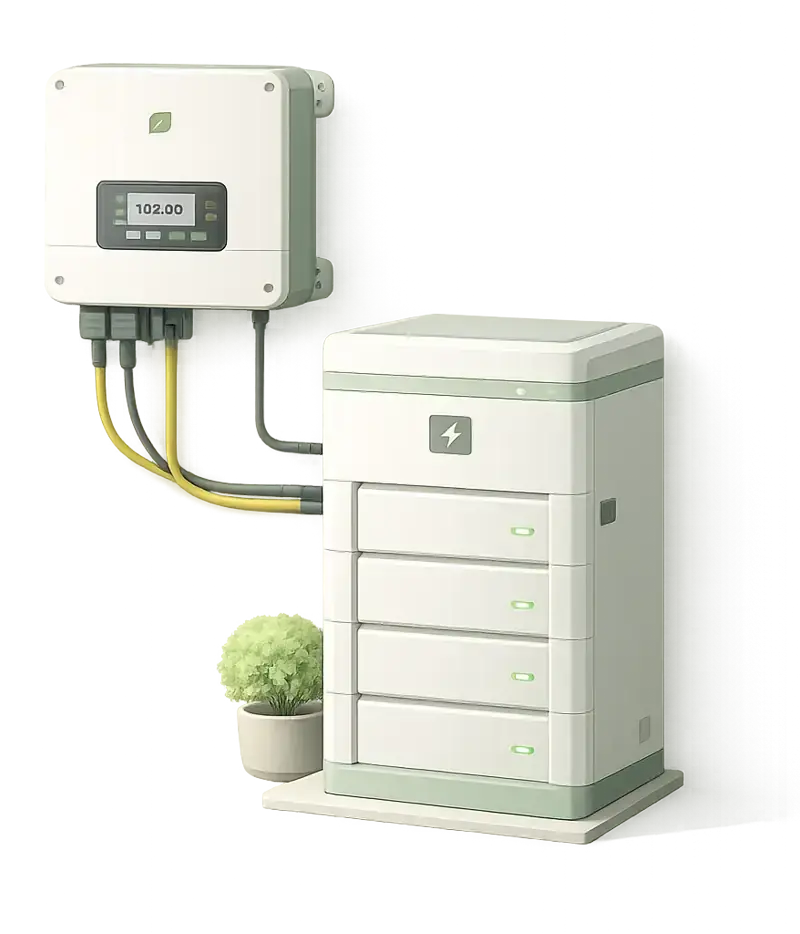
- •3kW Insurance Cost: ₹1,500 – ₹2,500 annually (typically part of home insurance)
- •Maintenance Cost: ₹4,000 – ₹8,000 per year (cleaning & health checks)
- •Payback Protection: Covers theft, fire, and weather damage (hail/storms)
- •Bridgeway Benefit: 1-year installation insurance included at no extra cost.
Delhi NCR recorded a 35.83% PPAC surcharge in June 2026 for BSES Rajdhani consumers. When your electricity bill is climbing this fast, a rooftop solar system is no longer a luxury; it is a financial hedge. But as a field engineer who has seen 5,000+ installations across North India, I can tell you the biggest mistake homeowners make isn't picking the wrong panel—it’s ignoring what happens after the installers leave the roof.
Solar panels are built to last 25–30 years, but the environment in cities like Noida, Ghaziabad, and Gurgaon is brutal. Between the fine dust of the Indo-Gangetic plain and the increasingly violent summer hailstorms, your "passive" investment needs active protection.
The Reality of 3kw solar panel insurance cost in india
Most people don't realize that solar insurance in India isn't usually a standalone product for residential users; it is an add-on to your home insurance policy. If you are looking for the 3kw solar panel insurance cost in india, you are looking at an annual premium of roughly ₹1,500 to ₹2,500.
For larger systems, the cost scales, but for a standard 3kW or 5kW setup, it’s less than the cost of a single weekend dinner. We’ve seen cases where a sudden hailstorm in Gurgaon shattered three panels on a 5kW system. Without insurance, that’s a ₹45,000 hit. With a proper policy, the homeowner only paid the deductible.
Why NCR Weather Makes Insurance Mandatory
In the last two years, we've noticed a shift in weather patterns in Delhi NCR. We get shorter, more intense monsoon bursts and high-velocity wind storms (andhis).
- Hail Protection: Even Tier-1 panels like our TOPCon Mono PERC modules have limits. Large hailstones can cause micro-cracks that aren't visible to the eye but kill generation over time.
- Storm Damage: If your solar plant structure isn't rated for 150km/h winds, a storm can literally peel the panels off your roof. Insurance covers this, provided the installation followed MNRE guidelines.
- Theft & Fire: While rare, electrical short circuits in poor-quality inverters can lead to fires.
Estimated Annual Upkeep and Insurance Costs (2025-2026)
| System Size | Approx. Insurance (Annual) | Annual Cleaning & Service | Total Yearly Upkeep |
|---|---|---|---|
| 3 kW | ₹1,500 - ₹2,200 | ₹4,000 - ₹5,000 | ₹5,500 - ₹7,200 |
| 5 kW | ₹2,500 - ₹3,500 | ₹6,000 - ₹8,000 | ₹8,500 - ₹11,500 |
| 10 kW | ₹5,000 - ₹7,000 | ₹10,000 - ₹14,000 | ₹15,000 - ₹21,000 |
| 20 kW+ | 0.4% of Asset Value | ₹18,000+ | Variable |
Note: Cleaning costs assume 12–18 visits a year, which is the minimum required in dusty areas like solar in Noida Extension.
Breaking Down Recurring Maintenance Expenses
Maintenance isn't just about splashing water on glass. If you want to maintain a yield of 120 units per month per kW, you need a disciplined approach.
1. The Cost of Dust (Cleaning)
In Delhi, panel soiling loss can hit 25% in just three weeks of neglect. We often see 5kW systems generating like 3kW systems simply because of a layer of grey silt.
- Professional Cleaning: Costs roughly ₹20–₹30 per panel per visit.
- The "Bridgeway" Way: We include 2 professional cleanings in Year 1 because we know the first year is when you're most likely to monitor your Solar Calculator data closely.
2. Inverter Servicing
The inverter is the "brain" and the most likely component to fail. While panels have 25-year warranties, string inverters usually carry a 10-year manufacturer warranty.
- Health Checks: A technician should check the DC connectors (MC4 pins) every year. Loose contacts lead to "arcing," which melts the plastic and can start a fire.
- Repair Costs: Out-of-warranty diagnostic visits start at ₹1,500 in Delhi NCR.
3. Structure Integrity
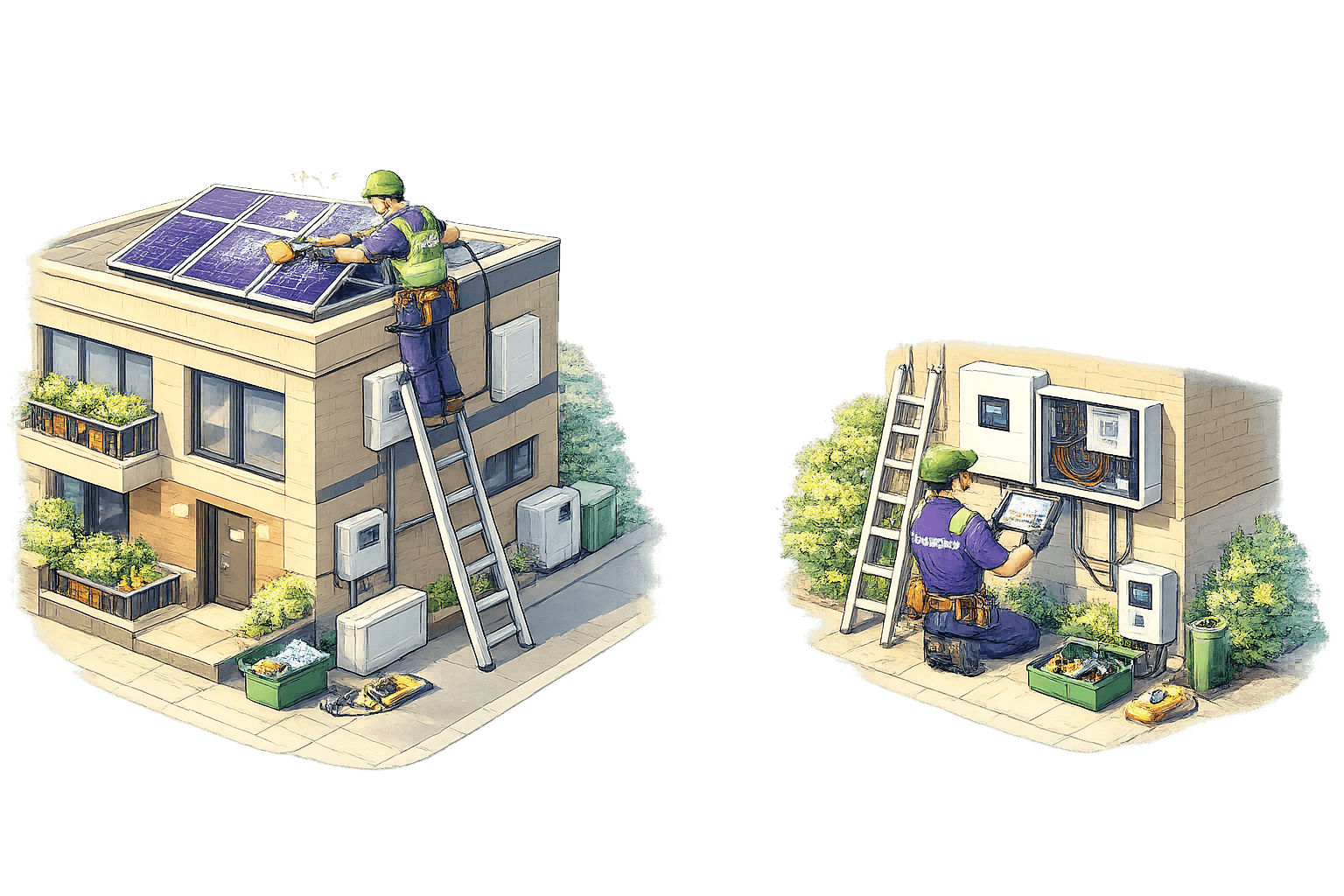
A cheap solar plant structure is the most expensive mistake you can make. I’ve walked onto roofs in solar in Indirapuram where the rust from an MS (Mild Steel) structure had bled onto the roof tiles within two years. Always insist on Hot-Dip Galvanized (HDG) steel or Aluminium. It adds roughly ₹1,500–₹3,000 per kW to your initial cost but saves you from a full structure replacement in year 7.
Talk to a solar engineer — not a salesperson
Enter your pincode and monthly bill. If we install in your area, an engineer answers on WhatsApp with your numbers.
Size solar for your home in 30 seconds
Real Example: The 5kW Cost-Benefit in Gurgaon
A homeowner in Sushant Lok installed a 5kW system for a 5 kilo watt solar panel price of approximately ₹3.43 Lakh (before subsidy).
- Yearly Savings: ~₹65,000 off their electricity bill.
- Maintenance + Insurance: ₹10,000.
- Net Gain: ₹55,000.
Even after paying for insurance and professional cleaning, the system pays for itself in under 5 years. If they had opted for a hybrid solar battery price package (adding ~₹2.5 Lakh for a 10kWh LFP battery), the maintenance would include a battery health check every 6 months to ensure the 6,000-cycle life is met.
How to Lower Your Long-Term Costs
- Choose TOPCon Panels: They have lower degradation rates (0.4% per year), meaning you get more power for the same cleaning effort.
- Automated Monitoring: Use the app provided with your inverter. If your generation drops below 4 units/kW/day on a sunny day, call for service immediately. Don't wait for the monthly bill.
- Standardize Your Structure: Ensure your structure is raised at least 1-2 feet to allow airflow, which keeps the panels cool and improves efficiency.
If you are worried about the paperwork, many financing partners like SBI PM Surya Ghar Loan or ECOFY Solar Financing actually mandate or offer bundled insurance as part of the loan process. This is a great way to ensure you're covered from Day 1.
FAQ
Does PM Surya Ghar subsidy cover insurance costs?
No, the central subsidy of up to ₹78,000 is for the capital cost of the system only. Insurance is a recurring operational expense that the homeowner must bear, though it is highly recommended to protect the subsidized asset.
How do I file a claim for solar panel damage?
You must provide photos of the damage, the original invoice, and a technician's report stating the cause (e.g., hailstorm or lightning). This is why we provide a 1-year all-in installation insurance for our clients—to handle this friction for you in the first year.
Is professional cleaning better than doing it myself?
You can do it yourself, but most homeowners use hard borewell water which leaves calcium deposits (scaling) on the glass. Professional teams use de-ionized water or softeners and soft brushes that don't scratch the anti-reflective coating of the panels.
Will my home insurance already cover the solar panels?
Usually, no. You must inform your insurance provider that you have installed a rooftop solar plant and get it added to the policy schedule. The premium will increase slightly based on the system's value.
Can I get insurance for an old solar system?
It is difficult to get insurance for systems older than 3 years if they weren't covered initially. Most insurers require a health certificate from a certified solar EPC company like Bridgeway Power before issuing a new policy for a legacy site.
Protecting your investment is as simple as a few thousand rupees a year. If you're planning an installation, Get a free quote today and ask our team about our bundled O&M packages.
Every 1 kW of solar on your roof offsets 1.5 tonnes of CO₂ per year
That's 40 trees planted — every year, for 25 years.
A typical 5 kW home system offsets 187 tonnes of carbon over its lifetime. That's equivalent to taking 8 cars off the road.
See your impact →How much can you save with solar?
Enter your electricity bill → get system size, subsidy amount & payback period
Get StartedSize solar for your home in 30 seconds
Related Articles
What Is Captive Open Access Solar (100% Equity Model)
Learn how Captive Open Access Solar (100% Equity Model) helps Indian businesses cut electricity costs by 40% using off-site solar plants. Guide on rules, savings & ROI.
Read moreHow Rooftop Solar Can Eliminate Your Electricity Bill
Discover how Net Metering and PM Surya Ghar subsidies can reduce your monthly electricity bill to near-zero. Learn about system sizing, costs, and real-world savings.
Read moreSolar Subsidy in Uttar Pradesh 2026: ₹1,08,000 for Noida, Ghaziabad & Greater Noida
UP's stacked solar subsidy 2026: ₹78,000 central + ₹30,000 UPNEDA state top-up = ₹1.08L. Real PVVNL net-cost math for Noida, Greater Noida, Ghaziabad & Meerut.
Read moreRelated guides
Delhi Electricity Rate 2026
BSES & Tata Power per-unit rates, PPAC, subsidy — sourced from DERC.
ExploreDelhi Solar Policy 2026
Free rooftop solar up to 3 kW for homes under 400 units. Eligibility & apply.
ExploreSolar Panel Price in Delhi
Live 2026 rooftop prices in Delhi after ₹1.56L subsidy. 1,200+ installs.
ExploreSolar Company in Gurgaon
Gurgaon's rooftop solar installer — 800+ systems, ₹78K PM Surya Ghar subsidy.
ExploreSolar Company in Noida
Noida & Greater Noida rooftop solar — 500+ installs, ₹1.08L stacked subsidy.
ExploreSolar Panel Price in Faridabad
Live 2026 Faridabad prices after ₹78K PM Surya Ghar subsidy. 350+ homes.
Explore